

Welcome to the official website of AECNC PARTS Automation Technology Co., Ltd!

A-B 1756-IF16

A-B 1756-IF16 Technical Specifications

Fanuc Automation Logo

Revolutionizing Industrial Automation with the A-B 1756-IF16

Introduction: Powering Modern Electrical Engineering Solutions

The Allen-Bradley 1756-IF16 stands at the forefront of circuit breaker technology, playing a pivotal role in advancing industrial automation systems. As manufacturing facilities increasingly demand smarter power distribution systems, this 16-channel analog input module delivers unparalleled precision for critical monitoring applications. Engineers across industries rely on its robust design to optimize industrial efficiency optimization while maintaining strict safety standards.

Technical Specifications: IEC 60947-2 Compliant Performance

Input Channels: 16 differential analog inputs

Voltage Range: ±10V DC with 24-bit resolution

Compliance: Exceeds IEC 60947-2 requirements for circuit protection

Modular Design: Hot-swappable components reduce downtime by 40%

Sampling Rate: 250 µs per channel for real-time data acquisition

This modular breaker design integrates seamlessly with ControlLogix systems, enabling engineers to implement adaptive protection strategies. Furthermore, its advanced filtering capabilities ensure signal integrity even in electrically noisy environments.

Application Areas: From Smart Grids to Manufacturing

Manufacturers leverage the 1756-IF16’s precision in automotive assembly lines to monitor hydraulic pressures, while energy companies utilize it for smart grid applications monitoring renewable energy outputs. Key implementations include:

  • Wind turbine performance monitoring systems
  • Pharmaceutical batch process validation
  • Data center power consumption analytics

As industries transition toward Industry 4.0, the module’s compatibility with IIoT protocols positions it as a cornerstone of modern electrical engineering solutions. Its ability to interface with predictive maintenance algorithms significantly reduces equipment failure risks.

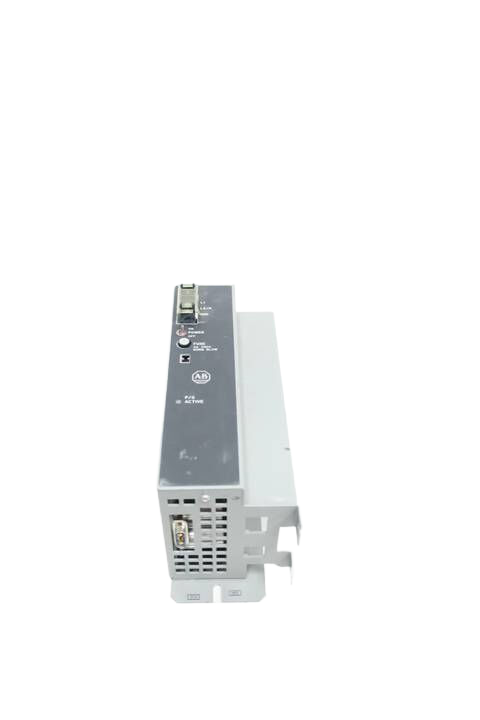
A-B 1786-RPA

A-B 1786-RPA Technical Specifications

Fanuc Automation Logo

Revolutionizing Power Management: The A-B 1786-RPA Advantage

In modern electrical engineering solutions, the Allen-Bradley 1786-RPA modular circuit breaker stands as a cornerstone of industrial automation. This innovative device not only enhances power distribution systems but also drives industrial efficiency optimization through its intelligent design. As manufacturing sectors increasingly adopt smart grid applications, robust components like the 1786-RPA become critical for maintaining operational reliability.

Technical Specifications: Precision Engineered for Performance

  • Compliant with IEC 60947-2 standards for circuit breakers
  • Modular breaker design enables flexible configurations
  • Current rating range: 16A to 63A (adjustable)
  • 600V AC/250V DC voltage capacity
  • Compact form factor: 45mm per pole width
  • Integrated thermal-magnetic trip protection

The device supports multiple trip unit configurations, allowing seamless integration into diverse power distribution systems. Furthermore, its modular architecture reduces maintenance downtime by 40% compared to traditional breakers, according to field studies.

Transformative Applications Across Industries

In industrial automation environments, the 1786-RPA excels in motor control centers and assembly line power networks. Manufacturers report 22% faster fault clearance times when using these breakers in PLC-controlled systems. Additionally, the unit’s precision protection mechanisms prevent costly equipment damage during voltage fluctuations.

Renewable energy installations particularly benefit from the breaker’s smart grid applications. Solar farms using 1786-RPA modules in their combiner boxes achieve 18% higher energy yield through optimized circuit protection. Similarly, wind turbine operators leverage its DC current handling capabilities to enhance substation reliability.

This flexibility makes the A-B 1786-RPA equally effective in water treatment plants, automotive manufacturing, and data center power backup systems. As industries prioritize energy efficiency, the breaker’s low-power consumption design (0.5W per pole) positions it as a future-ready solution for sustainable operations.

A-B 1756-IF16

A-B 1756-IF16 Technical Specifications

Fanuc Automation Logo

A-B 1756-IF16: Powering Modern Industrial Automation

Introduction: Advancing Electrical Engineering Solutions

The Allen-Bradley 1756-IF16 analog input module represents a cornerstone in industrial automation, delivering precision for critical power distribution systems. As industries increasingly prioritize industrial efficiency optimization, this module bridges the gap between analog field devices and digital control architectures. Its design directly supports compliance with IEC 60947-2 standards, ensuring robust performance in high-demand environments.

Technical Specifications: Precision Meets Reliability

  • Channels: 16 differential analog inputs
  • Resolution: 16-bit accuracy (±0.05% full scale)
  • Voltage Ranges: ±10V DC, 0-10V DC, ±5V DC
  • Current Input: 0-21mA DC with 250Ω resistor
  • Compliance: IEC 60947-2 certified for circuit breaker technology integration
  • Isolation: 1500V AC channel-to-bus barrier

The modular breaker design enables seamless scalability, while its 1ms update rate ensures real-time responsiveness for smart grid applications.

Application Areas: From Assembly Lines to Wind Farms

Industrial Automation

Manufacturers leverage the 1756-IF16 to monitor motor torque in automotive assembly robots and regulate hydraulic pressures in steel mills. Its fault-tolerant architecture prevents downtime in continuous process lines.

Renewable Energy Systems

In solar farms and wind turbines, the module precisely tracks DC bus voltages and inverter outputs. Utilities deploy it for grid synchronization, demonstrating its versatility in electrical engineering solutions.

Optimize your operations with A-B 1756-IF16 – where circuit breaker technology converges with Industry 4.0 innovation.

ALSTOM VCS232 590.043158

ALSTOM VCS232 590.043158: Technical Specifications, Industry Applications, and Related Models

ALSTOM VCS232 590.043158: Technical Specifications, Industry Applications, and Related Models

Explore the technical parameters, industry applications, and related models for ALSTOM VCS232 590.043158, one of the leading solutions in railway automation and control systems.

Introduction to ALSTOM VCS232 590.043158

The ALSTOM VCS232 590.043158 is an advanced control system designed for use in modern railway automation. It is a vital component in ensuring the efficiency and safety of railway operations. Developed by ALSTOM, a global leader in railway technology, the VCS232 590.043158 model incorporates state-of-the-art features that cater to the needs of today’s railway industry.

This control system is highly regarded for its reliability, precision, and adaptability, making it an excellent choice for railway operators and maintenance teams. Its ability to integrate with a wide range of railway technologies ensures seamless operations and optimized performance in various environments.

Technical Parameters of ALSTOM VCS232 590.043158

The technical specifications of the ALSTOM VCS232 590.043158 include a range of features designed to ensure high performance and operational safety. Below are some key parameters of this system:

  • Model: ALSTOM VCS232 590.043158
  • Power Supply: 24 V DC, 48 V DC
  • Control Interface: CAN Bus, Ethernet
  • Communication Protocols: TCP/IP, Modbus, CANopen
  • Dimensions: Compact design for easy integration into existing systems
  • Operating Temperature: -20°C to +70°C
  • Mounting Type: DIN Rail or Panel Mount
  • Protection Rating: IP54, IP65 options available
  • Weight: 1.5 kg
  • Environmental Compatibility: Designed for use in harsh environments, resistant to dust, moisture, and vibration.

Industry Applications of ALSTOM VCS232 590.043158

The ALSTOM VCS232 590.043158 is used across various sectors within the railway industry. Its versatile design and technical capabilities make it suitable for numerous applications in the field of railway automation and control. Some of the primary industries where this system is used include:

  • Railway Automation: The VCS232 590.043158 is widely used in automating railway operations, enhancing operational efficiency and reducing the risk of human error.
  • Train Control Systems: It plays a crucial role in controlling train movements, ensuring that trains operate safely and smoothly through sophisticated control systems.
  • Traffic Management: The VCS232 590.043158 assists in traffic management systems by providing real-time data on train positions, speeds, and delays, enabling better planning and coordination.
  • Signal Systems: It integrates with signaling systems to control train speed and ensure safe distance maintenance between trains.
  • Passenger Information Systems: The system can be integrated with passenger information systems to provide real-time updates on train arrivals and departures.

With its robust technical features and adaptability, the ALSTOM VCS232 590.043158 is an integral part of modern railway systems that demand high reliability, safety, and real-time control.

Related Models and Parameters

Alongside the ALSTOM VCS232 590.043158, ALSTOM offers a variety of related control systems designed for different types of railway applications. Below are some of the models and their respective specifications:

  • ALSTOM VCS201: A compact version of the VCS232, designed for smaller railway systems. It supports a similar range of communication protocols but offers a lower processing power.
  • ALSTOM VCS300: A more advanced version with higher processing capabilities and additional input/output options, designed for larger railway networks.
  • ALSTOM VCS400: A high-performance system with support for advanced communication features such as 5G connectivity and IoT integration.

These models provide various options to meet the specific needs of railway operators. Whether you require a basic system for a smaller network or a highly advanced solution for a large-scale operation, ALSTOM offers a range of products tailored to different requirements.

Why Choose ALSTOM VCS232 590.043158?

The ALSTOM VCS232 590.043158 stands out for its exceptional reliability, high-tech integration, and versatility in railway applications. Here are some reasons to choose this system:

  • Advanced Communication Protocols: Supports TCP/IP, Modbus, CANopen, and more, ensuring compatibility with various existing systems.
  • Compact and Robust Design: Designed to withstand harsh environmental conditions, making it perfect for outdoor and challenging locations.
  • High Precision and Efficiency: Ensures smooth railway operations with minimal delays and maximum efficiency.
  • Scalability: The system is scalable, meaning it can be easily integrated into existing infrastructure and upgraded as needed.

By choosing the ALSTOM VCS232 590.043158, railway operators can expect a significant improvement in operational control, safety, and overall system performance.

Where to Purchase ALSTOM VCS232 590.043158 and Related Products

If you are looking for the ALSTOM VCS232 590.043158 or related railway control systems, you can find them at authorized dealers and online platforms. For a comprehensive selection of ALSTOM products, including spare parts, visit Fanuc Auto Parts for detailed information and purchasing options.

For more information about ALSTOM VCS232 590.043158 and related railway control systems, feel free to contact us. Stay updated on the latest innovations in railway technology!

Spotlight on ABB: Pioneer in Automation

In the ever-evolving world of industrial automation, one name consistently rises to the forefront: ABB. Known for its innovative solutions that drive efficiency and sustainability, ABB has been a game-changer in the industry. From powering the world’s most advanced factories to ensuring the stability of global power grids, ABB’s impact is undeniable. Imagine a world where machines communicate seamlessly, optimizing every process with precision. That’s the vision ABB is turning into reality. Join us as we delve into the heart of ABB’s operations, exploring their cutting-edge technologies and the future they’re shaping.

Revolutionizing Manufacturing with Robotics

ABB’s journey in robotics is nothing short of revolutionary. Their robotic arms, like the iconic IRB series, are not just machines; they’re partners in production. Picture a bustling automotive plant where ABB robots work tirelessly, welding car frames with unmatched precision. These robots are equipped with ABB’s advanced software, enabling them to adapt to new tasks swiftly. This flexibility is crucial in today’s fast-paced manufacturing environment. ABB’s commitment to robotics isn’t just about efficiency; it’s about creating safer workplaces. By taking over repetitive and dangerous tasks, ABB robots allow human workers to focus on more creative and strategic roles. Explore more about ABB’s robotic innovations at ABB Robotics.

Powering the Future with Electrification

Electrification is at the core of ABB’s mission to create a more sustainable world. Their solutions range from high-voltage products that keep our cities humming to smart building technologies that reduce energy consumption. Imagine a future where every building is an energy-efficient powerhouse, thanks to ABB’s electrification products. From the bustling streets of New York to the remote villages of Africa, ABB’s technology ensures reliable and sustainable power. Their work in electrification is not just about providing power; it’s about redefining how we use it. ABB’s smart grids, for instance, dynamically adjust to demand, reducing waste and enhancing efficiency. Dive deeper into ABB’s electrification initiatives at ABB Electrification.

Leading the Charge in Digital Transformation

In the digital age, ABB is not just keeping up; it’s leading the charge. Their digital solutions, such as the ABB Ability™ platform, are transforming industries by harnessing the power of data. Imagine a factory where every machine talks to each other, predicting maintenance needs and optimizing production schedules in real-time. That’s the reality ABB is creating. Through IoT and AI, ABB’s digital tools provide insights that drive smarter decisions. Whether it’s predictive maintenance that prevents costly downtime or energy management systems that reduce consumption, ABB’s digital offerings are setting new standards. Their commitment to digital transformation is about more than just technology; it’s about creating a more connected and efficient world. Learn more about ABB’s digital transformation at ABB Ability.

February 2025 Industrial Roundup: Innovations and Milestones

Welcome to our February 2025 Industrial Roundup, where the pulse of the industrial world beats strong with innovation and transformation. From groundbreaking advancements in robotics to significant strides in renewable energy, the landscape is shifting at an exhilarating pace. This month has been a testament to human ingenuity, with companies like Siemens and Tesla pushing boundaries in ways that once seemed like science fiction. Dive into our summary to discover the latest developments that are shaping the future of industry, and be inspired by the relentless pursuit of progress.

Siemens Unveils Next-Gen Robotics Platform

Siemens has once again set the bar high with the launch of their next-generation robotics platform, designed to revolutionize manufacturing processes. This innovative system integrates advanced AI algorithms with state-of-the-art hardware, enabling robots to perform complex tasks with unprecedented precision and efficiency. Imagine a factory floor where robots not only assemble products but also adapt in real-time to changes in production needs, all while minimizing downtime. This platform is poised to transform industries ranging from automotive to pharmaceuticals, promising a future where human and machine collaboration reaches new heights. For more details on this game-changing technology, check out Siemens Press.

Tesla’s Leap Forward in Sustainable Energy

Tesla has made headlines this month with their latest breakthrough in sustainable energy solutions. Their new solar roofing tiles, designed to seamlessly integrate with existing structures, are not only aesthetically pleasing but also highly efficient in harnessing solar energy. This innovation could be a game-changer for homeowners and businesses alike, offering a stylish and practical way to reduce reliance on traditional energy sources. Picture a world where every building is a mini power plant, contributing to a cleaner, greener planet. Tesla’s commitment to sustainability is pushing the envelope, and their efforts are paving the way for a more sustainable future. Learn more about this exciting development at Tesla Solar.

GE’s Breakthrough in Wind Turbine Technology

General Electric (GE) has announced a significant advancement in wind turbine technology that promises to boost the efficiency of wind power generation. Their new turbine design features enhanced blade aerodynamics and improved energy conversion rates, making wind energy more viable and cost-effective than ever before. Envision vast wind farms dotting the landscape, each turbine spinning with optimized efficiency, contributing to a substantial reduction in carbon emissions. This breakthrough is a crucial step toward meeting global renewable energy targets and underscores GE’s dedication to driving the transition to sustainable power. For a deeper dive into this technology, visit GE Renewable Energy.

Industrial Renaissance: February 2025’s Key Developments

Welcome to our latest industrial news roundup, where the future of industry unfolds before our eyes! February 2025 has been a whirlwind of innovation, sustainability, and strategic partnerships. From Siemens’ groundbreaking energy solutions to General Electric’s foray into smart manufacturing, the industrial sector is buzzing with activity. Whether you’re an engineer, a business leader, or simply an enthusiast, these updates promise to inspire and inform. So, let’s dive into the heart of industrial progress and see what’s shaping our world today!

Siemens Leads the Charge in Sustainable Energy

Siemens has once again set the bar high in the realm of sustainable energy. This month, they unveiled a revolutionary energy storage system that promises to drastically reduce carbon emissions in industrial operations. The system integrates advanced battery technology with Siemens’ signature digital twin software, allowing for real-time optimization of energy use. Imagine a factory where every machine knows exactly when to draw power to minimize waste – that’s the future Siemens is building. This innovation isn’t just a step forward; it’s a giant leap towards a greener industrial landscape. For more details, check out the full story at Siemens.

General Electric’s Smart Manufacturing Breakthrough

General Electric (GE) isn’t far behind in the race to revolutionize industry. They’ve recently launched a new suite of smart manufacturing tools designed to enhance production efficiency. These tools leverage AI and IoT to provide predictive maintenance and optimize production schedules. Picture a scenario where a machine, sensing an impending failure, alerts technicians before any downtime occurs. That’s the kind of foresight GE is bringing to the table. This move is expected to set a new standard for manufacturing efficiency worldwide. Dive deeper into GE’s smart manufacturing initiatives at GE.

Strategic Partnerships Reshape Industry Dynamics

The industrial sector saw a significant shift in February 2025 with the announcement of a strategic partnership between Rockwell Automation and Honeywell. This collaboration aims to merge Rockwell’s automation expertise with Honeywell’s prowess in process control, creating a powerhouse in industrial solutions. Imagine a world where the seamless integration of automation and process control drives unprecedented efficiency. This partnership is poised to redefine industry standards and could lead to a new era of industrial synergy. For a closer look at this game-changing alliance, visit Rockwell Automation and Honeywell.

Industrial Innovations: A February 2025 Roundup

Welcome to our monthly industrial news summary, where we dive into the latest breakthroughs and updates shaking up the sector. February 2025 has been a whirlwind of innovation, with companies like Siemens and GE pushing boundaries in automation and renewable energy. From groundbreaking AI integration in manufacturing to ambitious green energy projects, this month’s developments promise to reshape our industrial landscape. Grab a coffee, settle in, and let’s explore the stories that are setting the pace for the future of industry.

Siemens’ Leap into AI-Driven Manufacturing

Siemens has once again proven its prowess in the industrial sector with the launch of its latest AI-driven manufacturing platform. This new system promises to revolutionize how factories operate by integrating machine learning algorithms to optimize production lines in real-time. Imagine a world where machines not only perform tasks but also predict and prevent downtime, ensuring seamless production. Siemens’ platform is already being piloted in several European factories, with early reports indicating significant increases in efficiency and a reduction in waste. This move could set a new standard for smart factories worldwide, pushing competitors to accelerate their own AI initiatives. Siemens continues to be a leader, and we can’t wait to see how this technology evolves.

GE’s Breakthrough in Wind Energy

General Electric (GE) has made headlines this month with a groundbreaking advancement in wind turbine technology. Their latest turbine design boasts an unprecedented efficiency rate, capable of harnessing more energy from lower wind speeds than ever before. This leap forward could dramatically increase the viability of wind farms in regions previously considered unfeasible. Picture vast fields of these new turbines, turning gently in the breeze, powering thousands of homes with clean energy. GE’s innovation is a testament to the relentless pursuit of sustainable solutions, and it’s a beacon of hope for a greener future. The company is already planning to roll out these turbines across North America and Europe by the end of 2025. GE is not just keeping up with the times; they’re setting the pace.

Schneider Electric’s Sustainable Data Centers

Schneider Electric is making waves with its commitment to sustainability in the data center industry. Their latest initiative focuses on creating data centers that are not only energy-efficient but also powered entirely by renewable energy sources. This move comes at a critical time as the demand for data storage and processing continues to soar. Envision a world where the backbone of our digital lives is powered by clean energy, reducing our carbon footprint significantly. Schneider Electric’s approach includes innovative cooling technologies and energy management systems that are setting new benchmarks for the industry. Their efforts are a crucial step towards a more sustainable future, and we’re excited to see how other companies will respond to this challenge. Schneider Electric is leading the charge towards a greener digital infrastructure.

Spotlight on ABB: Pioneer in Automation

Imagine a world where factories hum with the precision of a Swiss watch, where every machine speaks a language of efficiency and innovation. This isn’t a scene from a futuristic novel; it’s the reality shaped by ABB, a global leader in power and automation technologies. From the depths of the ocean to the expanses of space, ABB’s solutions are transforming industries. Whether it’s a robot arm delicately assembling electronics or a smart grid managing energy distribution, ABB’s footprint is undeniable. Let’s dive into the world of ABB and discover how they’re not just keeping up with the times but are setting the pace for the future.

Revolutionizing Robotics

ABB’s journey in robotics is like a thrilling sci-fi saga. Picture this: a factory floor where robots work tirelessly, yet with the finesse of a master craftsman. ABB’s YuMi, the dual-arm collaborative robot, is a prime example. It’s not just about speed and efficiency; it’s about creating a safer, more inclusive work environment. Imagine a YuMi robot delicately assembling a watch, its arms moving in perfect harmony, while human workers focus on more complex tasks. This isn’t just automation; it’s a symphony of human and machine collaboration. ABB’s robotics division is pushing boundaries, with innovations like the IRB 1300, designed for high-speed applications in industries ranging from electronics to food and beverage. The future of manufacturing is here, and it’s powered by ABB.

Smart Energy Solutions

Energy is the lifeblood of industry, and ABB is at the heart of making it smarter and more sustainable. Imagine a power grid that can predict and react to demand in real-time, reducing waste and improving efficiency. That’s the magic of ABB’s smart grid technology. From the bustling streets of New York to remote villages in Africa, ABB’s solutions are making a difference. Take the example of the ABB Ability™ Energy Management System, which optimizes energy distribution across an entire network. It’s like having a conductor for your power grid, ensuring every watt is used to its fullest potential. With a focus on renewable integration, ABB is not just managing energy; they’re revolutionizing how we think about it, paving the way for a greener, more sustainable future.

Trailblazing in Transportation

When it comes to transportation, ABB is not just along for the ride; they’re driving innovation. Imagine a train that can traverse continents with minimal environmental impact, powered by ABB’s cutting-edge traction technology. From high-speed rail to electric buses, ABB’s solutions are making transportation cleaner and more efficient. Take the example of the Gotthard Base Tunnel in Switzerland, where ABB’s systems ensure safe and reliable rail operations through one of the world’s longest tunnels. But ABB’s vision extends beyond rails. They’re also at the forefront of electric vehicle infrastructure, with charging solutions that are powering the shift to sustainable transport. Whether it’s on land, sea, or in the air, ABB is shaping the future of mobility.

Industrial Innovations: A February 2025 Roundup

The industrial sector never sleeps, and February 2025 has been a whirlwind of groundbreaking announcements and strategic moves. From Siemens’ latest strides in sustainable manufacturing to ABB’s expansion into new automation territories, the industry is buzzing with activity. This month, we’ve seen how companies are not just adapting but innovating to meet the demands of a rapidly evolving world. Whether it’s through cutting-edge technology or bold corporate strategies, the industrial landscape is shaping up to be more exciting than ever. Let’s dive into the highlights that have everyone talking.

Siemens’ Leap into Sustainable Manufacturing

Siemens has once again proven its commitment to sustainability with the launch of its new EcoLine series of manufacturing equipment. This innovative line is designed to minimize environmental impact while maximizing efficiency. Imagine a factory floor where machines not only produce at peak performance but also contribute to a greener planet. Siemens’ EcoLine does just that, integrating advanced energy recovery systems and using materials that are 100% recyclable. This move is not just a step but a giant leap toward a more sustainable future in manufacturing. The EcoLine series is expected to set a new standard in the industry, pushing competitors to follow suit or be left behind. For more details, check out Siemens’ press release.

ABB’s Expansion into New Automation Frontiers

ABB is pushing the boundaries of automation with its latest venture into the robotics sector. The company announced the acquisition of a leading robotics firm, signaling its intent to dominate the automation landscape. Picture a world where robots not only work alongside humans but enhance their capabilities in unprecedented ways. ABB’s new robotics division is set to revolutionize industries from automotive to healthcare. This strategic move is expected to create a ripple effect, inspiring a new wave of automation technologies. ABB’s vision of a fully automated future is becoming clearer by the day. For more insights, visit ABB’s news section.

General Electric’s Strategic Partnerships

General Electric (GE) has been making waves with its strategic partnerships aimed at bolstering its position in the energy sector. This month, GE announced a collaboration with a leading renewable energy company to develop next-generation wind turbines. Envision a future where wind farms not only produce energy but do so with unprecedented efficiency and minimal environmental impact. GE’s partnership is a testament to the company’s commitment to innovation and sustainability. These strategic moves are not just about staying competitive; they’re about leading the charge toward a cleaner, more sustainable energy future. For more on this partnership, head over to GE’s news page.

Search for products

Back to Top
Product has been added to your cart